
THE REGION, UP CLOSE
A landscape with more than one story.
Our regional lens: Imperial, Kern, Los Angeles, Orange, Riverside, San Bernardino, San Diego, San Luis Obispo, Santa Barbara and Ventura counties.
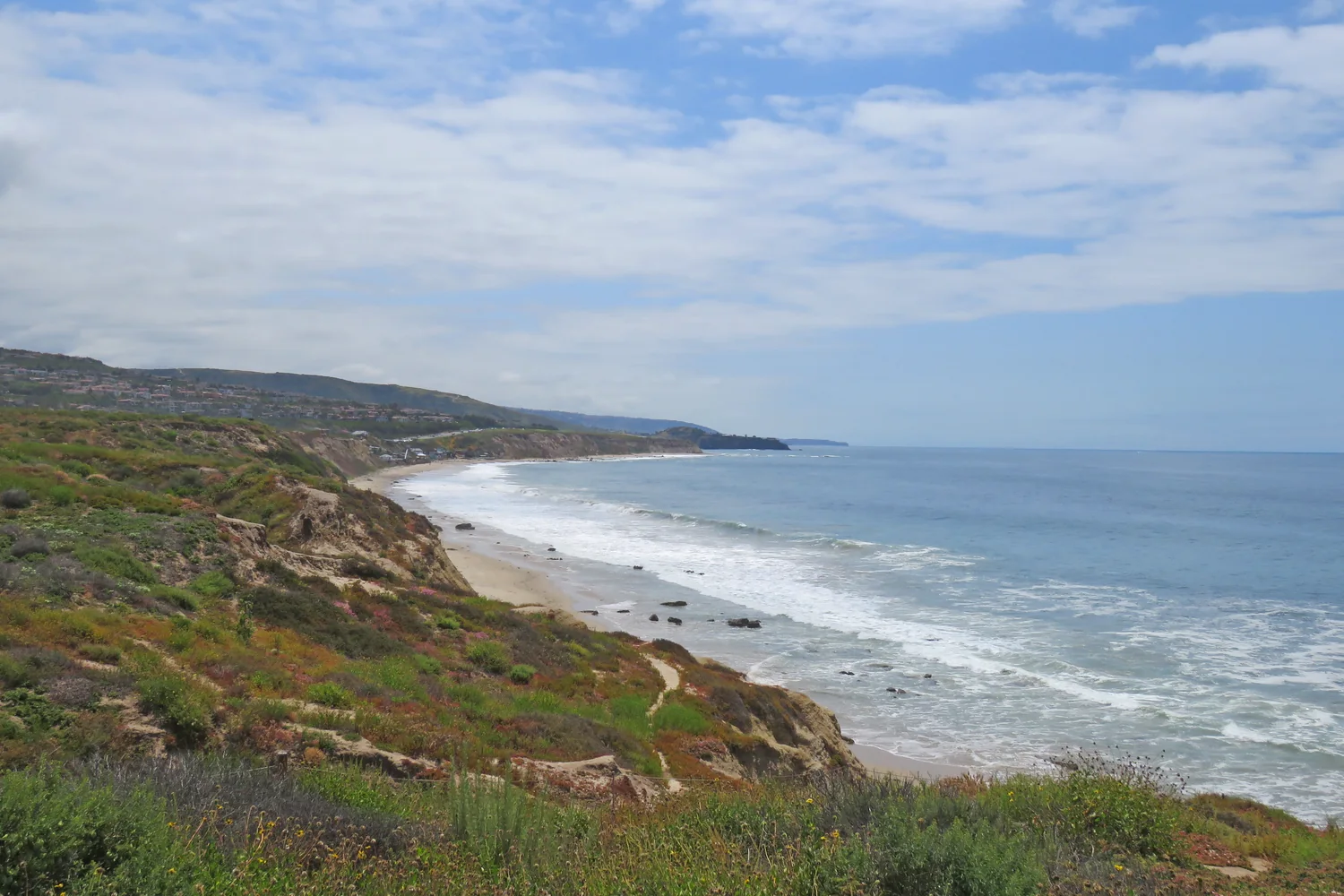
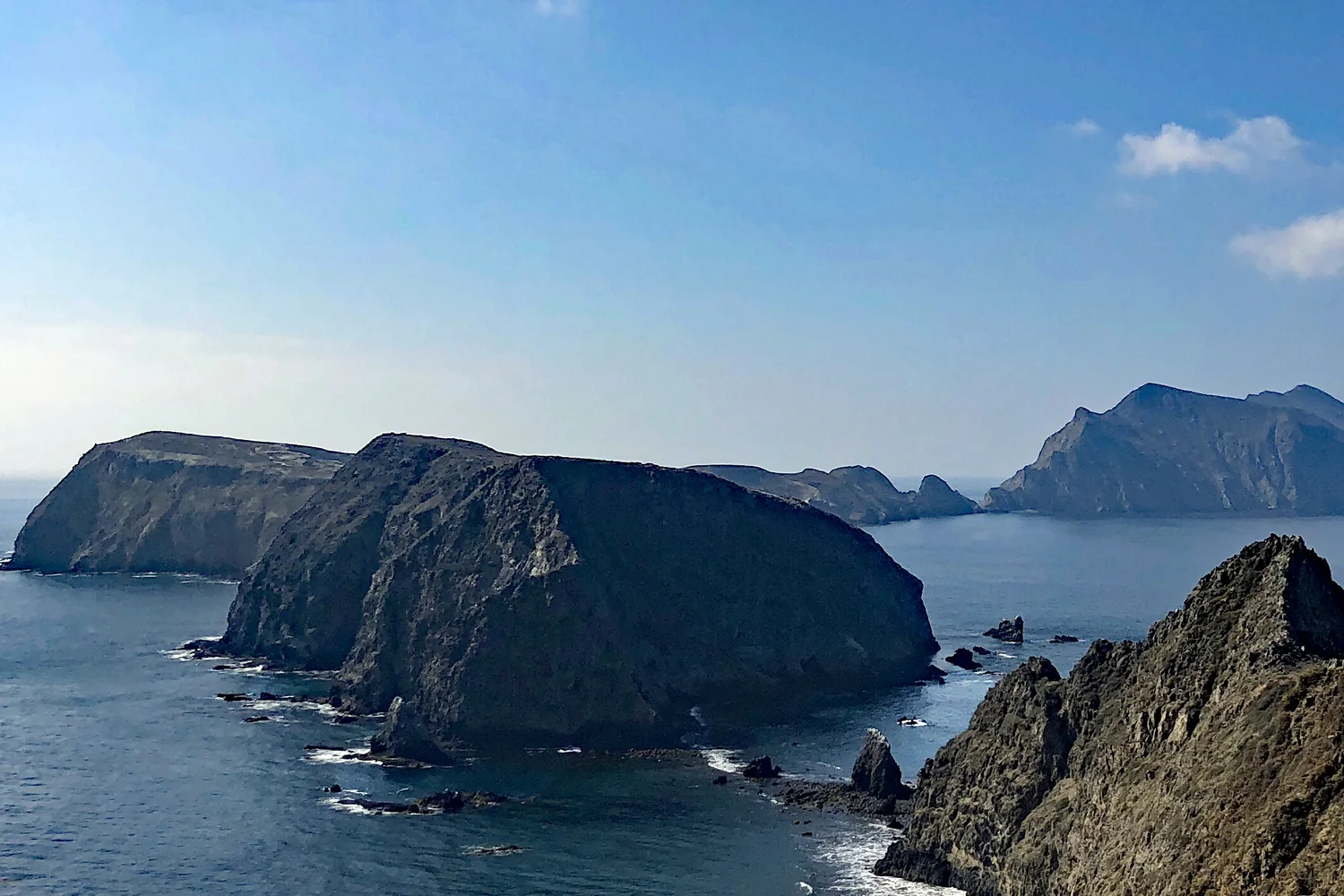
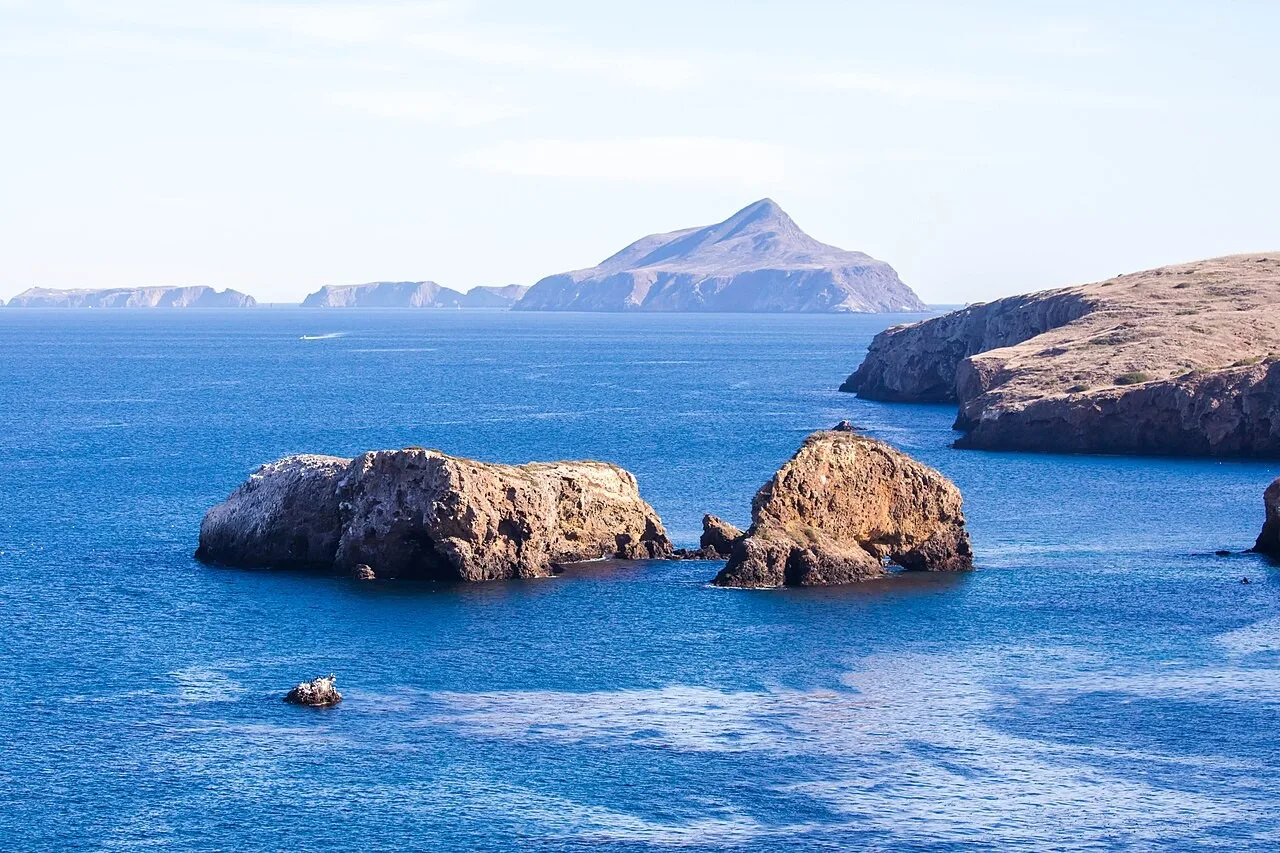
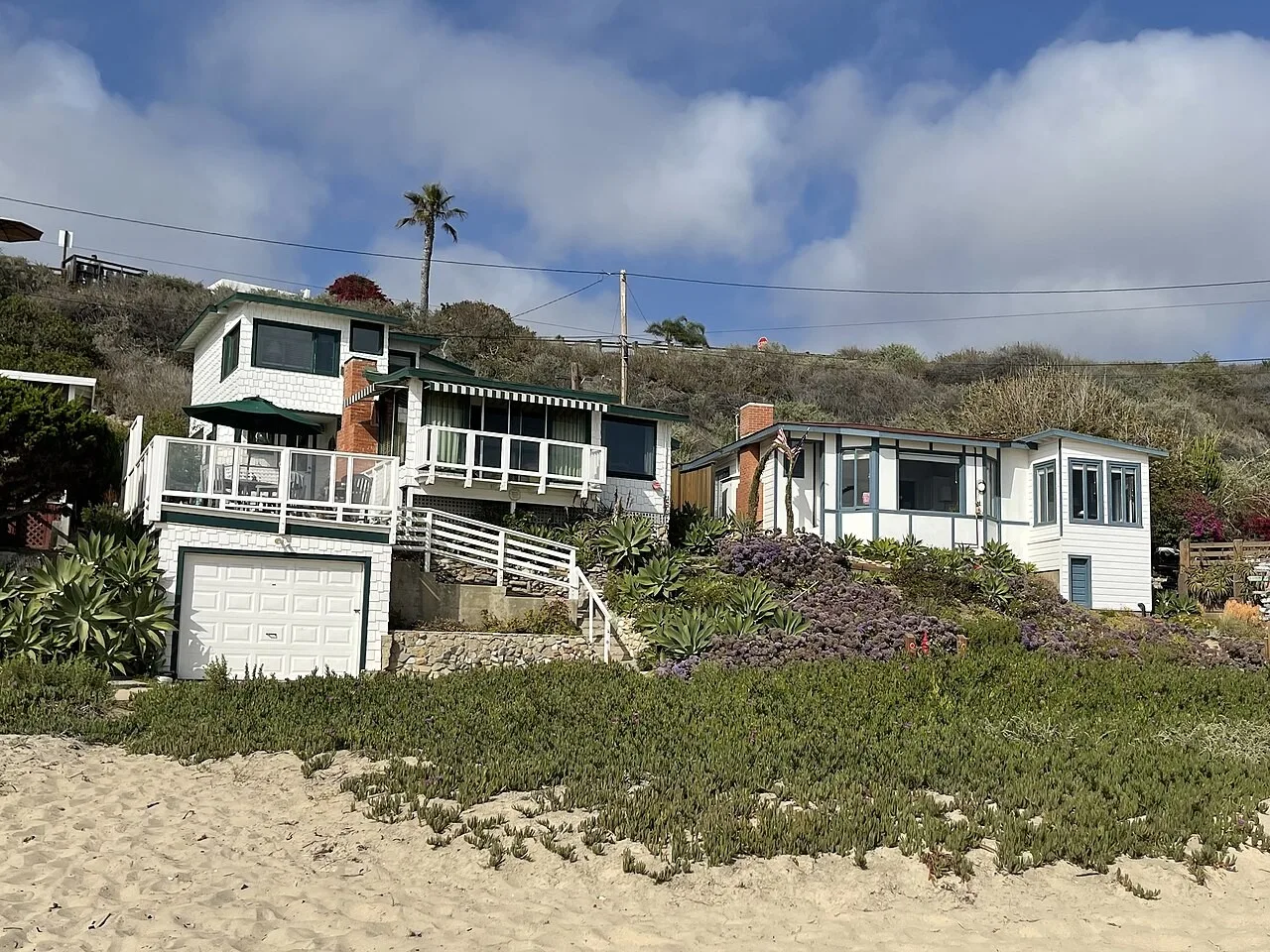
The ocean’s most rewarding encounters often happen when you stop treating it as scenery. Crystal Cove brings beach, coastal habitat and a surviving cottage district together in Orange County. Offshore, Channel Islands National Park makes separation from the mainland its own subject: island foxes and other native wildlife reveal the effects of long isolation, and each island has a distinct character. The Ventura visitor center provides a useful introduction before a boat journey, but the islands deserve preparation and a day shaped around the crossing.
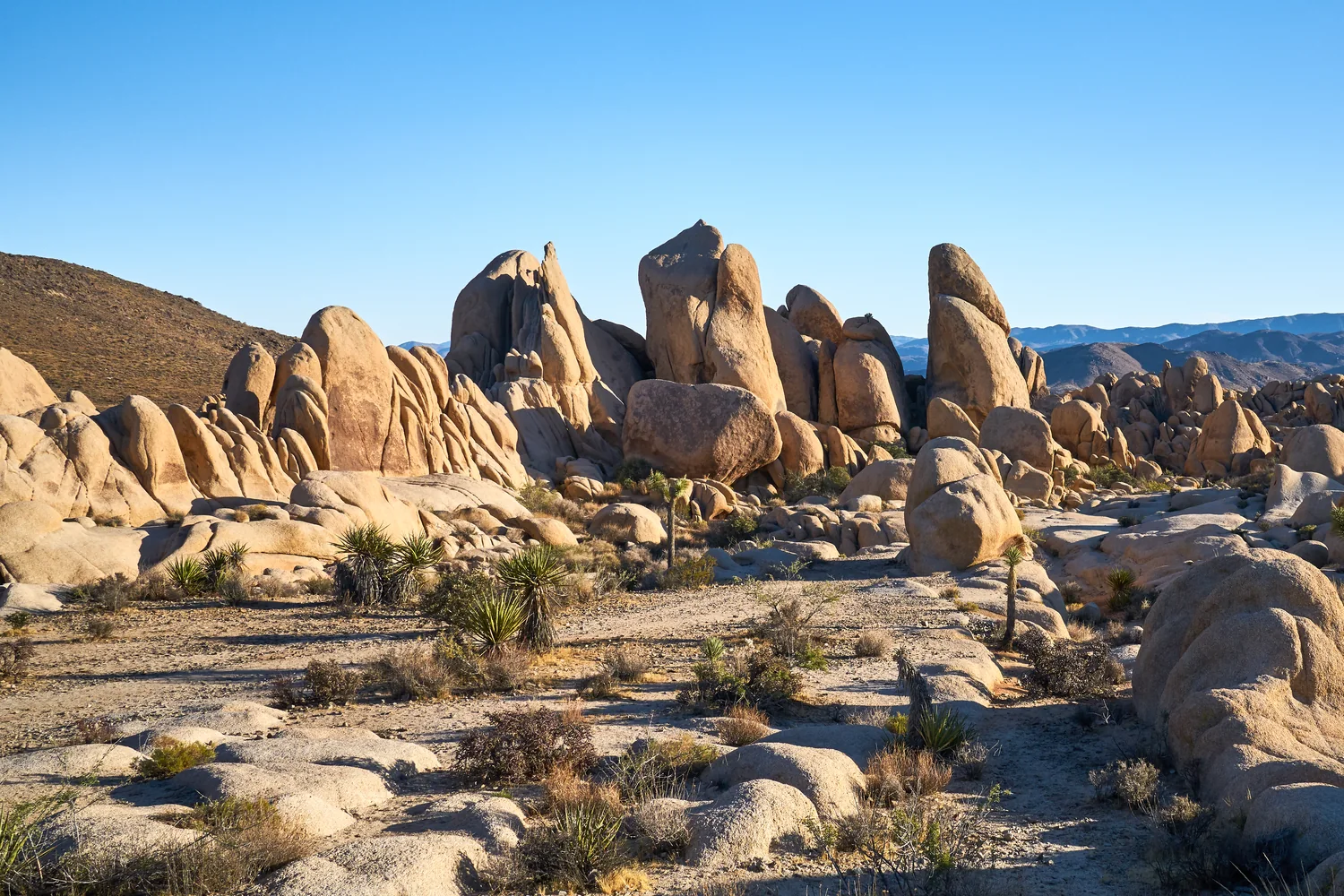
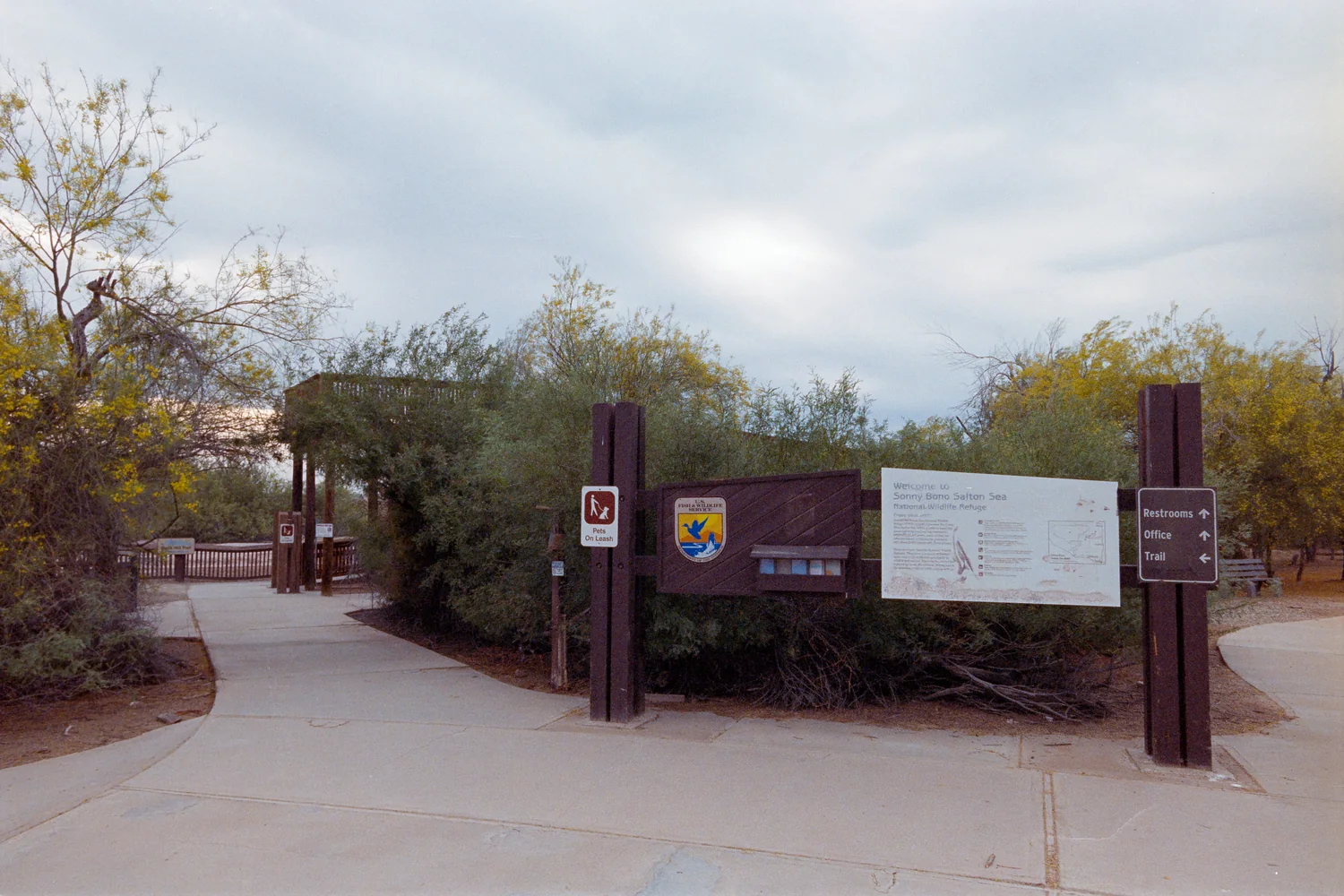
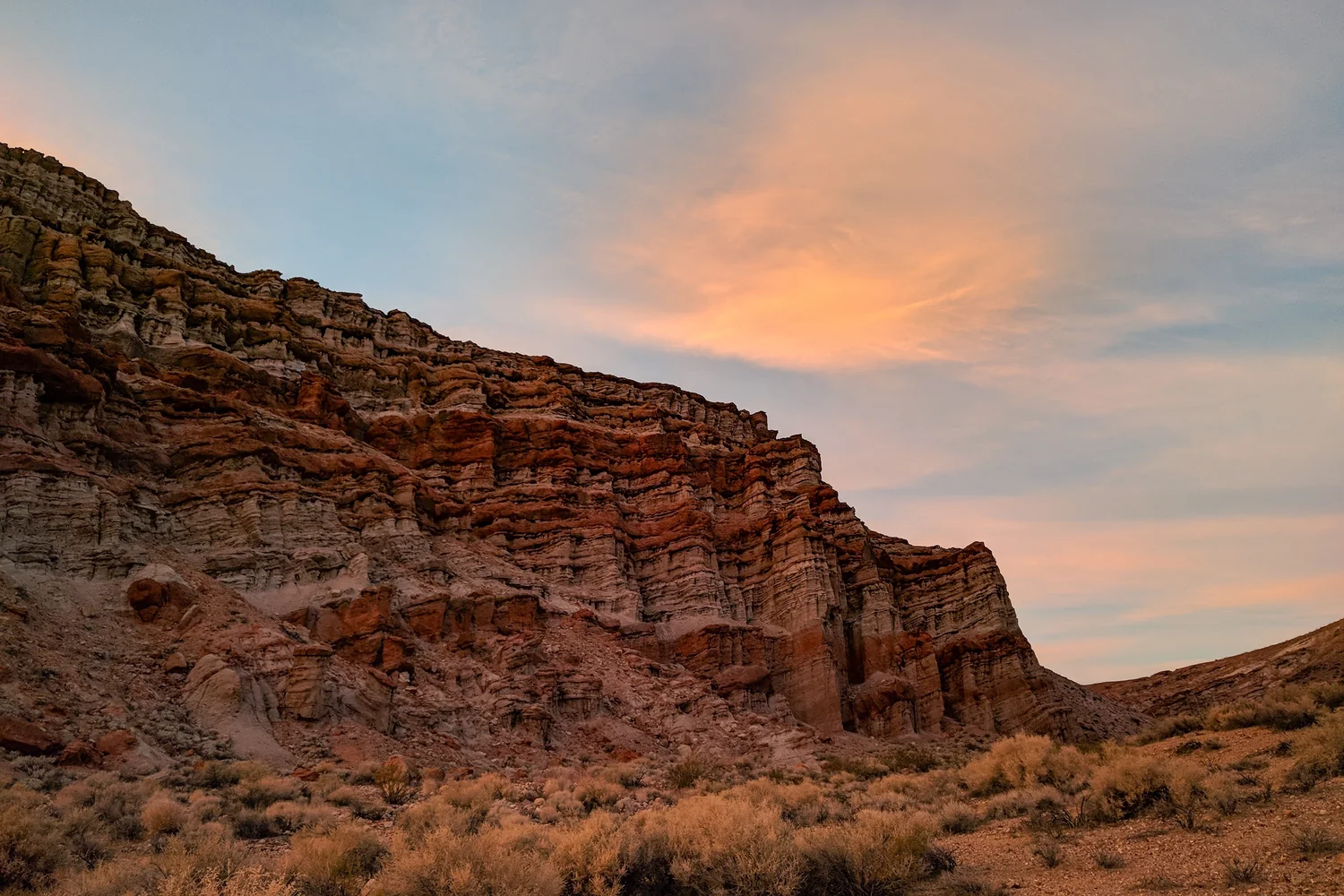
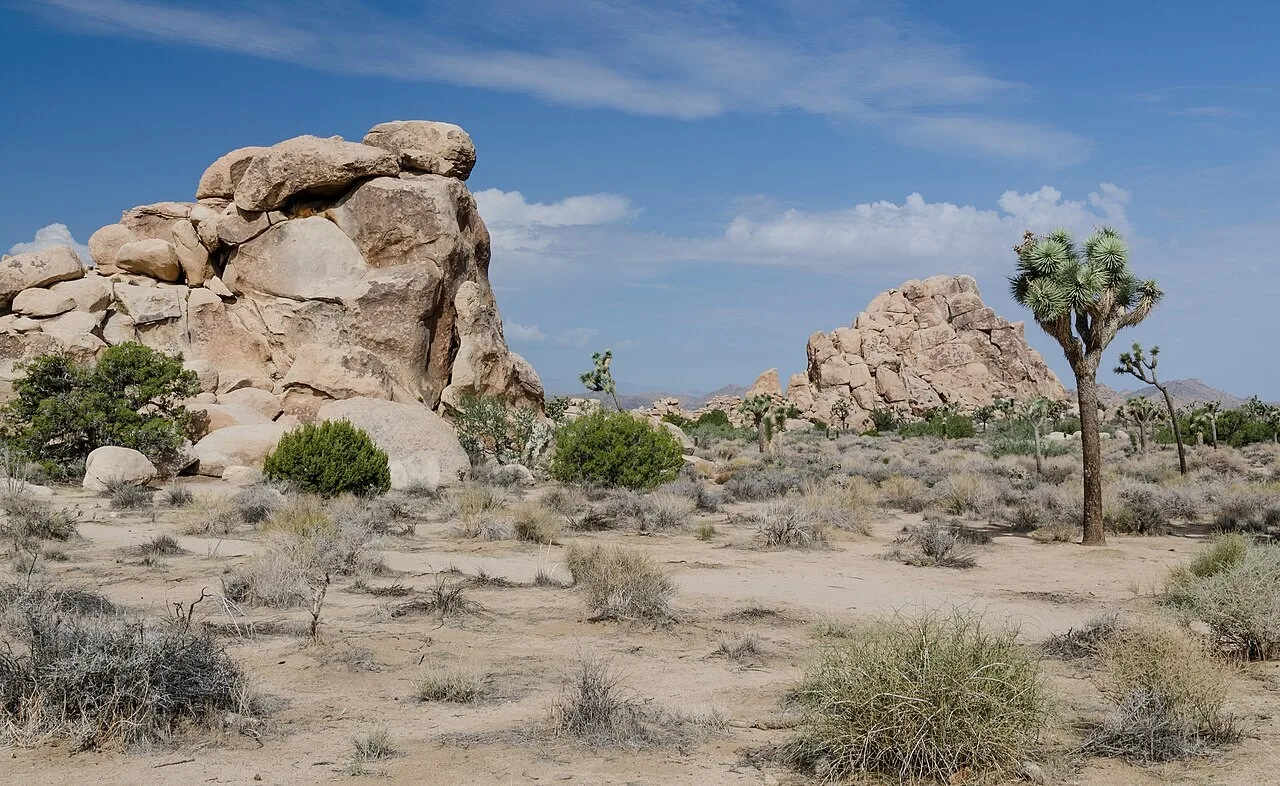
Inland, the word desert becomes wonderfully insufficient. Joshua Tree protects a meeting of the Mojave and Colorado deserts, with changes in vegetation that make the transition visible. Kern County’s Red Rock Canyon presents another face of dry country through sharply sculpted cliffs and buttes. At the southern Salton Sea, wildlife refuge wetlands sit beside Imperial Valley agriculture. These are different ecosystems and different stories about water. Choose one to explore closely rather than assuming a quick roadside stop explains them all.
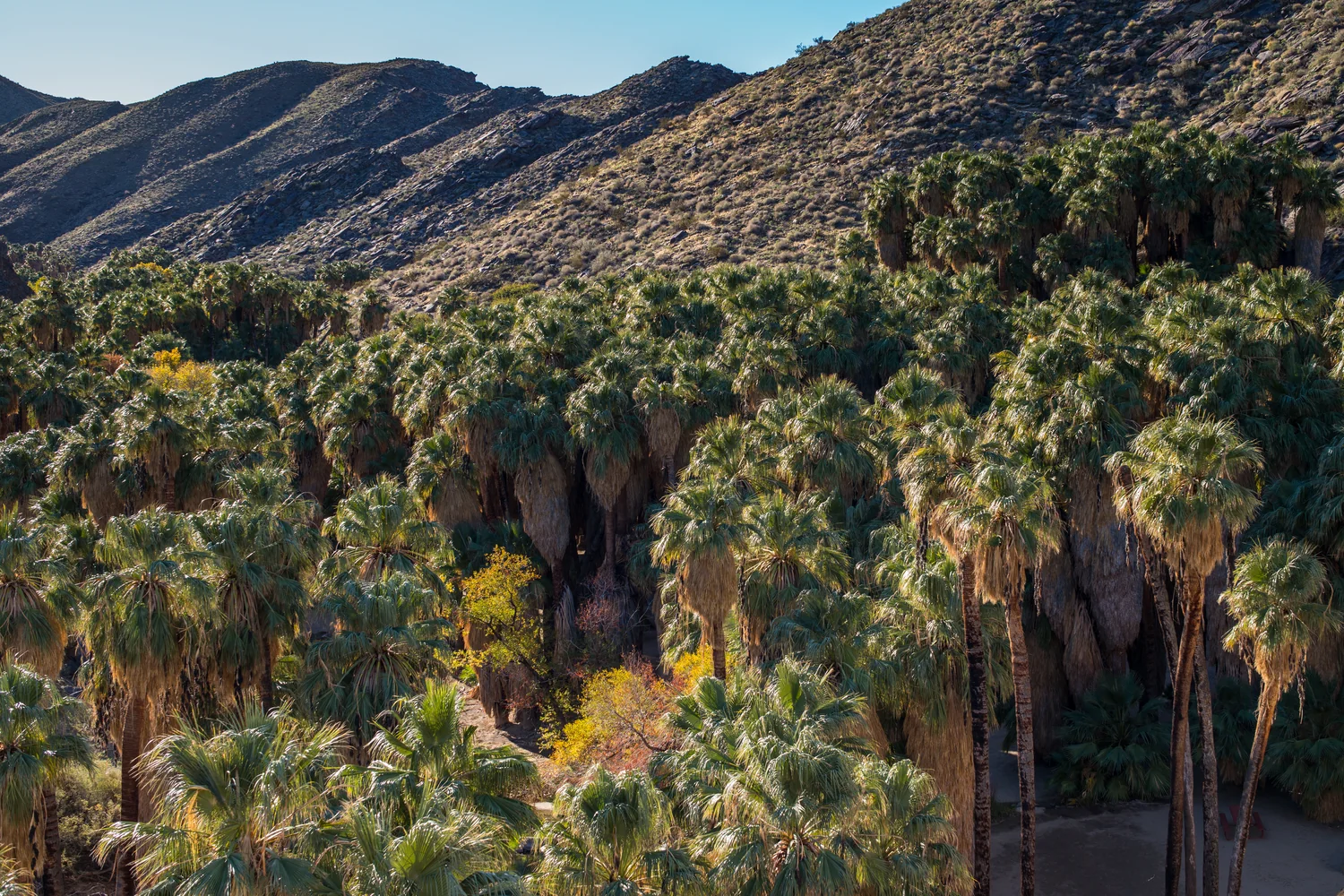
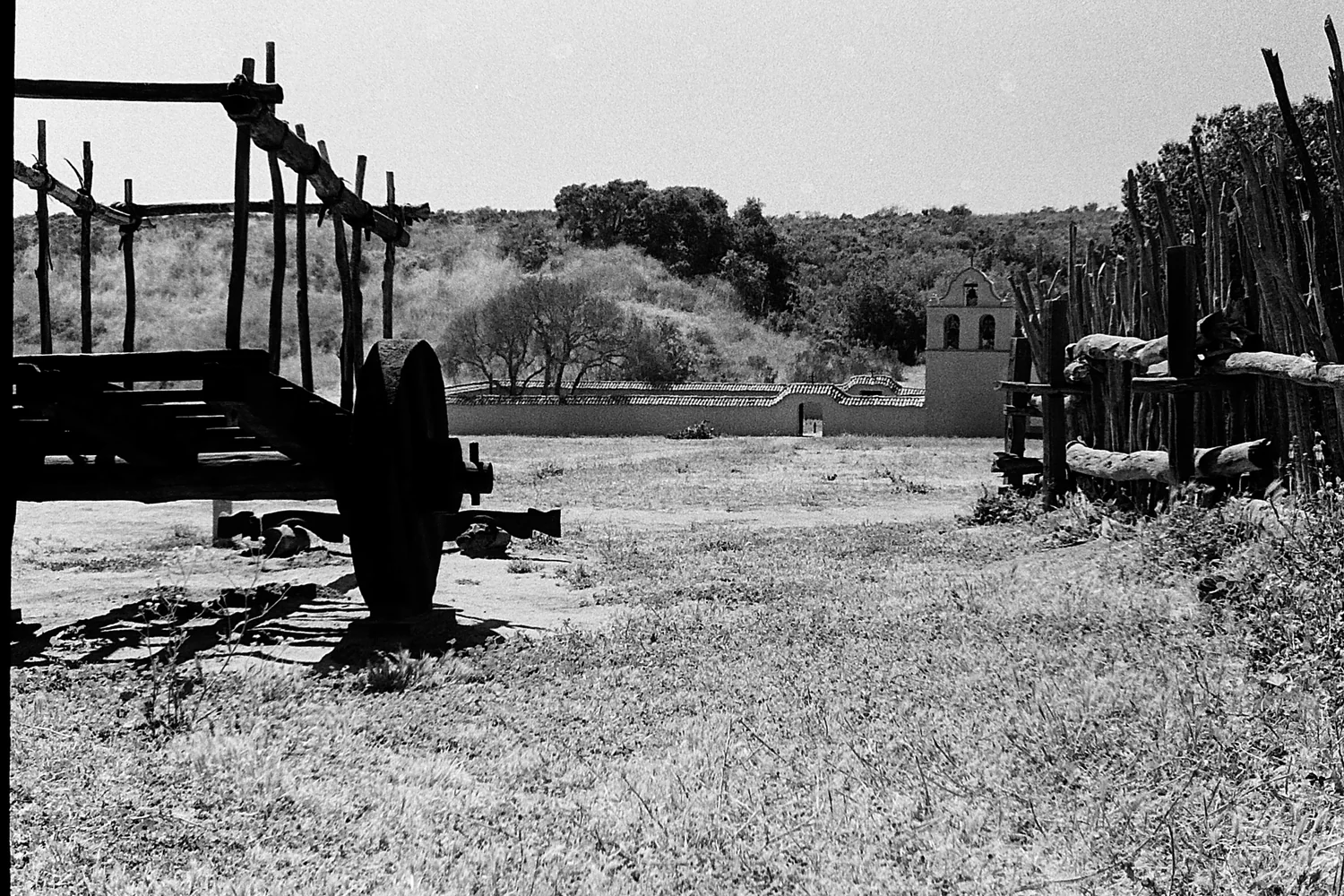
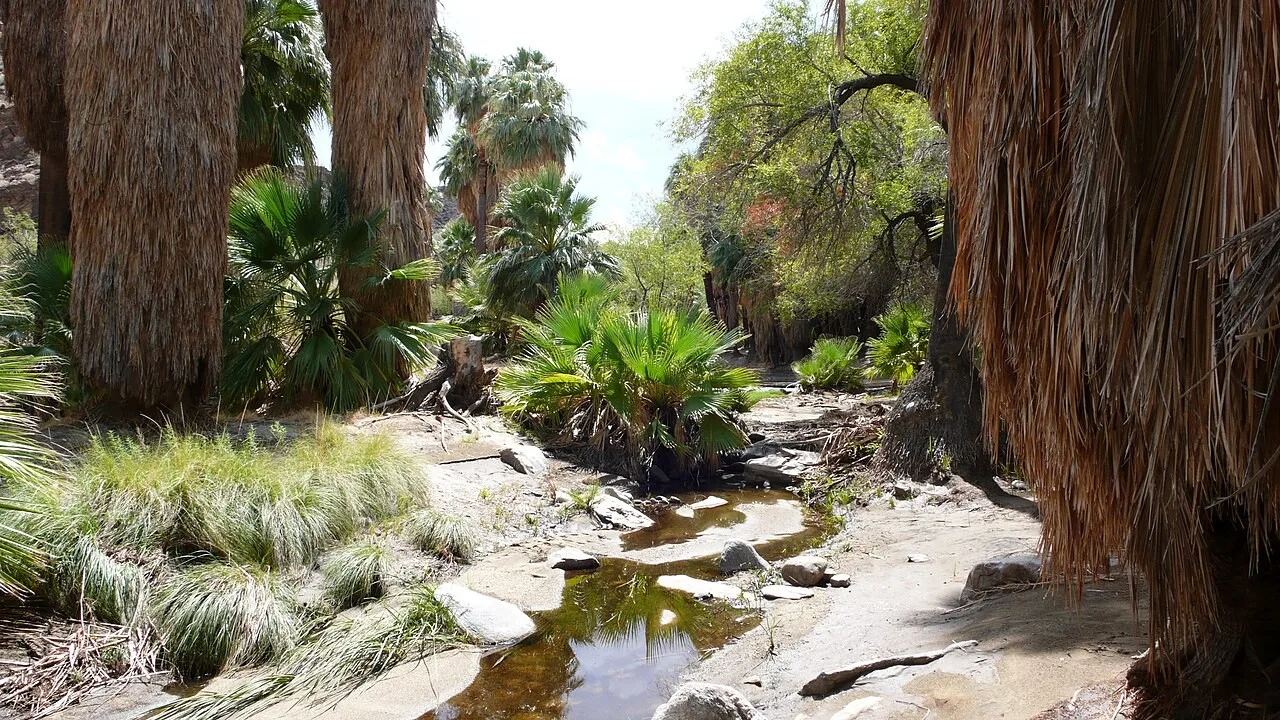
The region’s history also changes when Indigenous places are approached as living cultural landscapes. Indian Canyons lies on the Agua Caliente Indian Reservation, where the Tribe welcomes visitors into palm-lined canyons with its own rules and interpretation. Farther up the coast, La Purísima Mission introduces Chumash history alongside the Spanish mission system and the 1824 uprising. Its restored buildings are most meaningful when the people whose lives were transformed there remain central to the visit, rather than disappearing behind the architecture.
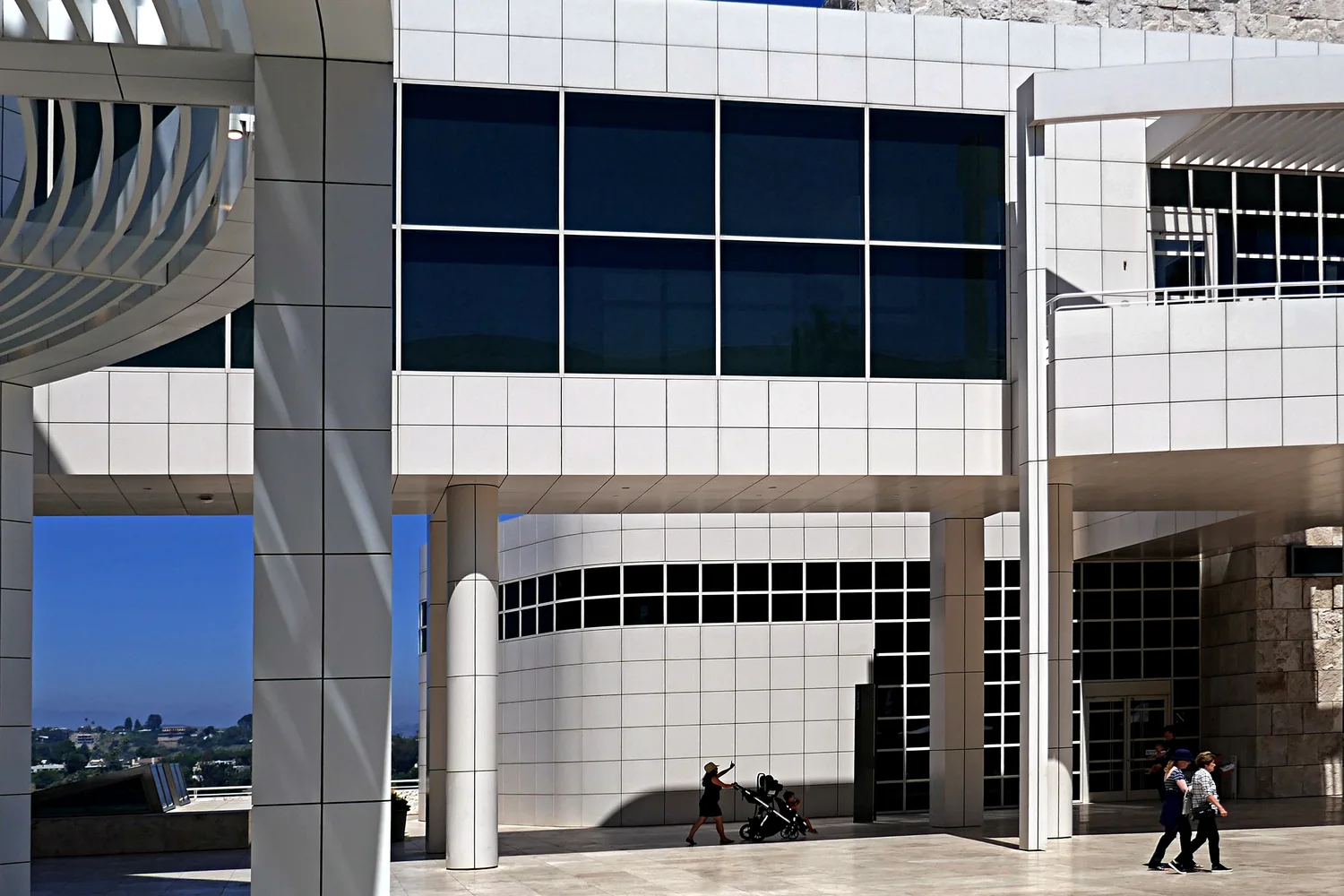
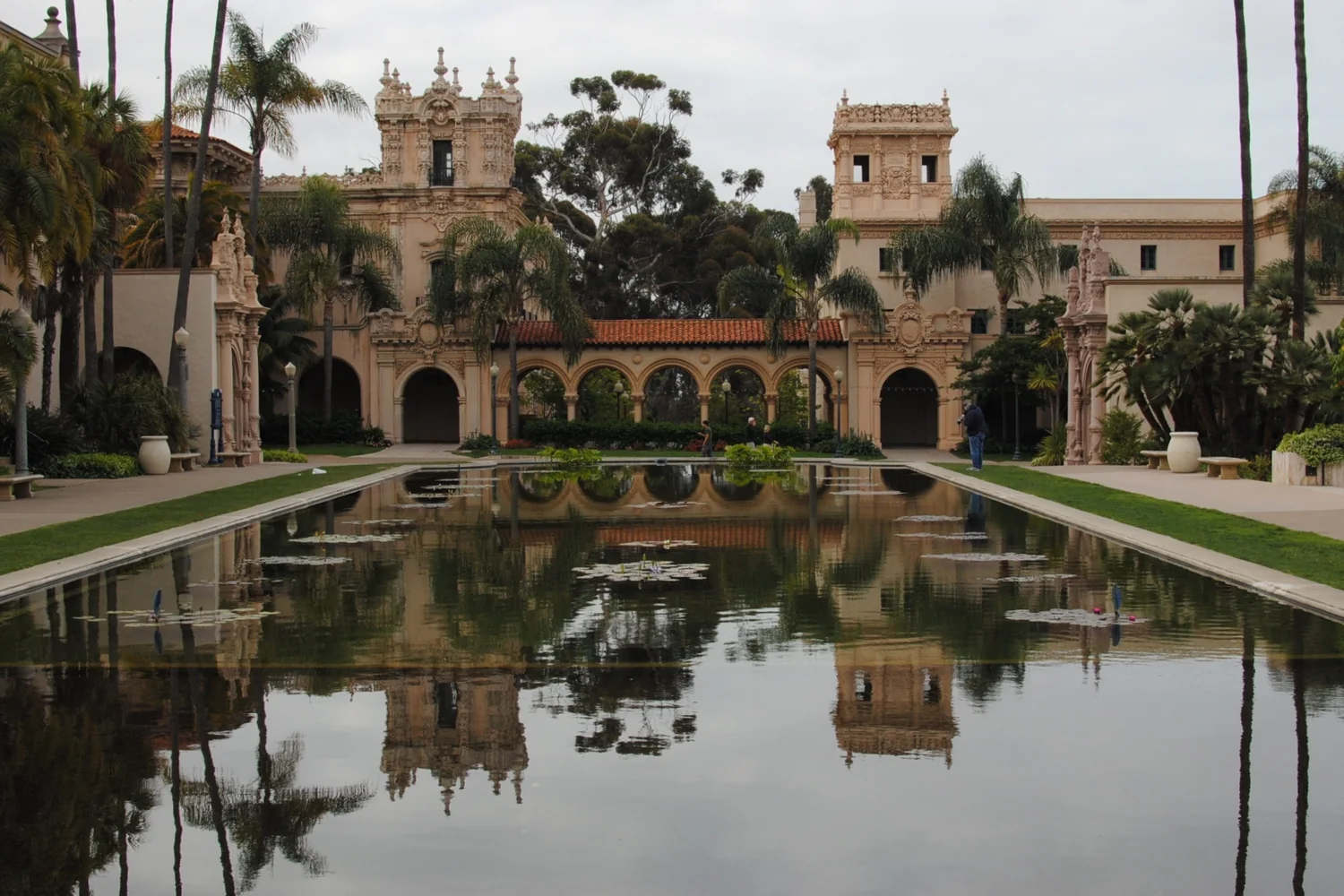
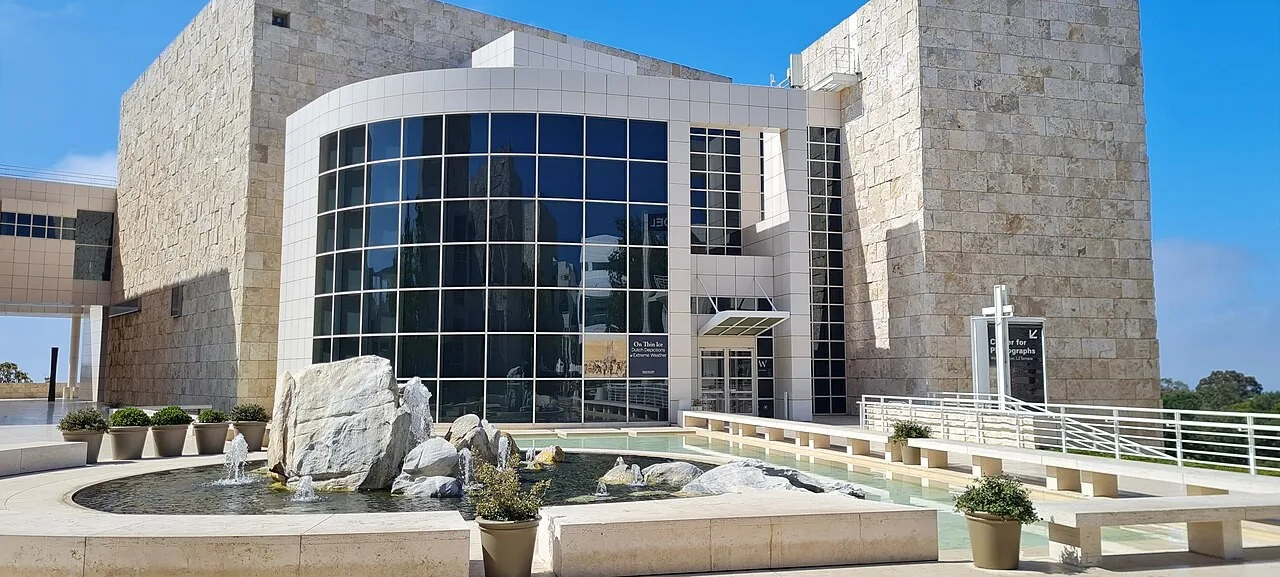
Southern California’s museums can be destinations in their own right. At the Getty Center, Richard Meier’s hilltop campus makes the city’s geography part of the experience: terraces, gardens and views connect the art inside with the vast landscape outside. San Diego’s Balboa Park gathers museums, gardens and performance spaces around an architectural legacy shaped by the Panama–California Exposition. In either place, choose a few experiences and leave time between them. The spaces that connect the buildings are part of the attraction.
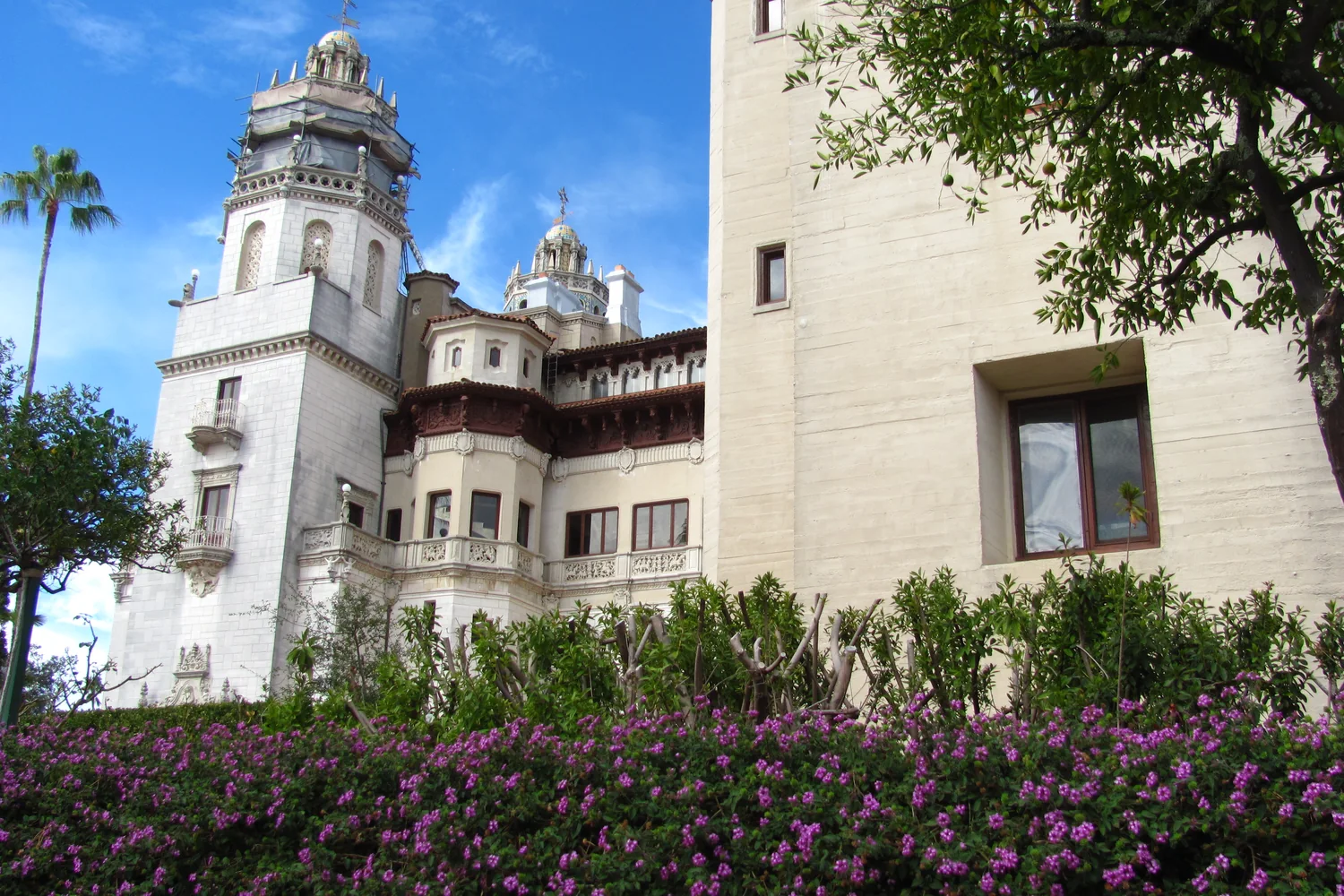
Built environments tell quieter stories, too. Hearst Castle records the collaboration between a powerful collector and architect Julia Morgan through an extraordinary ensemble of rooms, gardens and pools above San Simeon. Crystal Cove’s modest cottages preserve a very different idea of coastal life, with a history that also includes Japanese farming families and early film production. Seeing both encourages attention to scale, labor and access: who built a place, who used it, and how it eventually became somewhere the public could explore.
A good Southern California itinerary is selective rather than small-minded. Spend enough time in one setting to understand its rhythm, then make the next change of landscape deliberate. Book the island crossing or guided house tour that anchors a day, leave room for an unhurried museum visit, and give desert travel its own preparation. The region’s range becomes more memorable when each place has room to be distinct, from a palm oasis to a Pacific-facing terrace.